
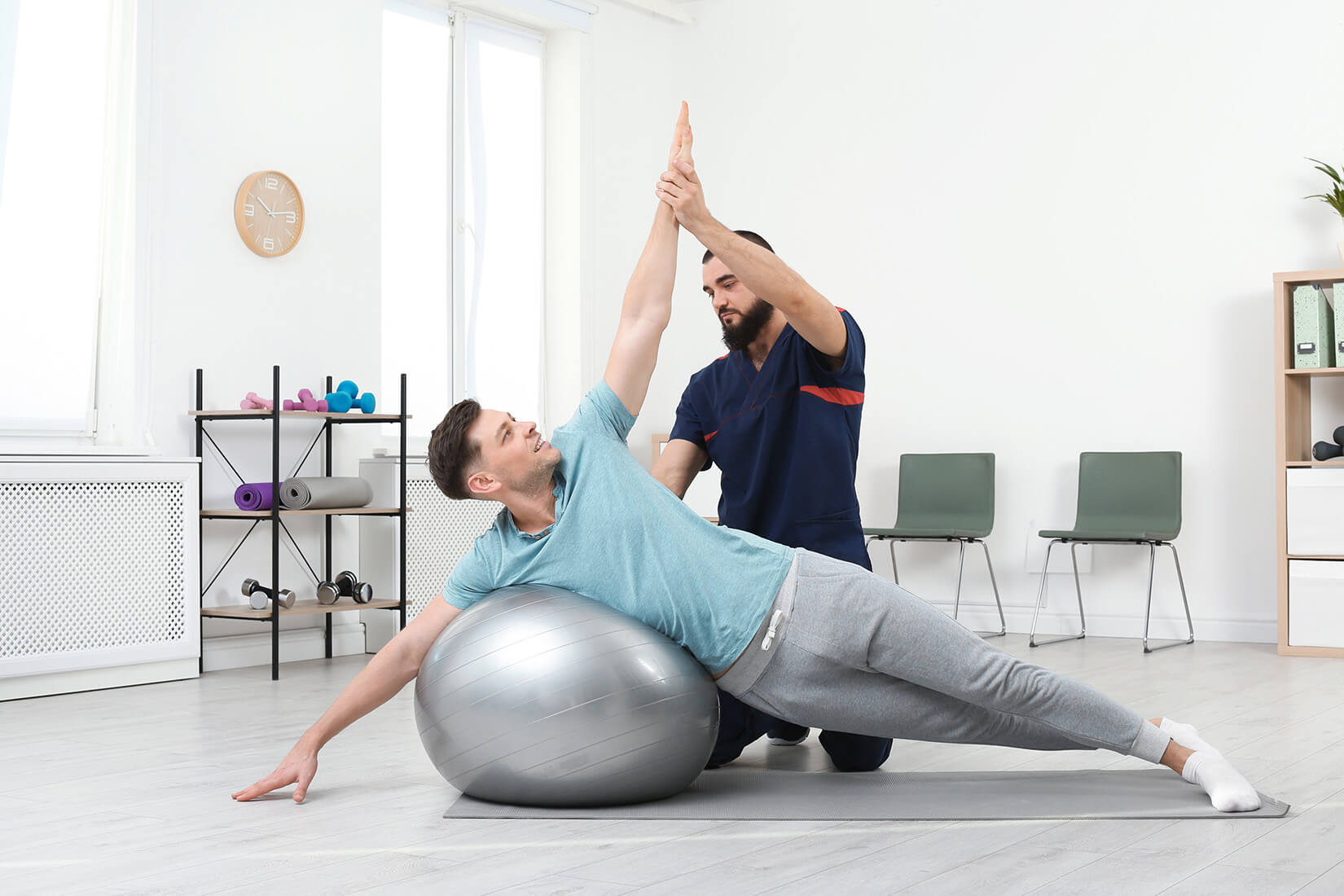
Physical therapy is designed to help you restore your normal levels of activity, motion, and quality of life. After surgery, you can benefit from physical therapy and post-surgical rehab.
Our reputable therapist can help you learn exercises and stretches and help you address the residual problems you may have. This will also encourage proper healing. Physical therapy can even help speed up your recovery time. Let’s take a close look at how physical therapy can help with post-surgical rehab.
The Work of a Physical Therapist
Our physical therapist has been trained to identify any deficiencies you may be experiencing in your body. This can include weakness in a specific area, relieving stress, and reducing pain. Part of becoming a physical therapist is learning about various surgical procedures and how they affect the body.
When you first meet with our physical therapist, you will be evaluated to see what you can do. From there, a list of goals will be made. You must be working with an educated and experienced therapist after your surgery. This will prevent further damage from being done to your body, as our physical therapist will know your limitations.
Working Your Muscles and Joints
After you have had surgery, the most you may be able to do is stretch certain muscles to improve your range of motion. During recovery, you may experience some stiff joints or tight muscles. This is perfectly normal, but it can greatly affect your ability to get around. You can preserve these functions by completing certain stretches given to you by your therapist.
We may request that you do these stretches multiple times each day. Don’t overwork yourself. Stick to the plan that has been outlined for you.
Exercising
You may not find yourself running on the treadmill at the gym immediately, but a set of appropriate exercises will help keep your muscles in good shape. You want to slowly increase the amount of endurance and strength that you have. This should continue until you reach your original range of motion. We recommend that you don’t add new exercises to your routine without the approval and direction of your physical therapist or doctor.
The injury and surgery that you had may come with their own set of limitations. You may notice weakness or discomfort, particularly in your core.
We focus on strengthening your core. The core is foundational for the body’s ability to stand, sit, and do most daily activities. A weak core can put you at risk of future injuries. Once you are more mobile and healed, you may be able to attend a yoga or pilates class to continue working on your core strength.
There is a recovery plan that is part of your physical therapy routine. This may include applying heat or ice, massaging certain areas of the body, etc.
Our patients have experienced positive outcomes with physical therapy post-surgery. If you have surgery coming up or on the road to recovery, Denver Integrated Spine Center Lakewood clinic or Denver clinic would love to support you!
Want more information about physical therapy? Check out this post:

Denver Integrated Spine Center has the best chiropractors in Denver and Lakewood. The city’s premier multidisciplinary injury recovery and rehabilitation center. If you’re experiencing chronic back pain, shoulder pain, limited mobility, headaches or neck pain, weakness in your hands, or any other common injuries affecting your musculoskeletal structure, our experienced team of local chiropractors, massage therapists, and medical professionals can help.